










Real people don't reset their emotions because someone said one nice thing.
And real people walk into every conversation carrying a specific history: what they've already tried, what they've been told, what they are and aren't willing to do next. That history shapes how they react to every suggestion, every question, every silence.
These two facts are what make real conversations difficult. They are also what most training simulations get wrong.
ReflexAI's simulation platform is built around both of them. The result is a training experience that prepares agents for the conversations that actually test them, not just the ones that go smoothly. And because these dynamics are rooted in how people behave they show up in every industry. The same simulation capabilities that prepare a crisis counselor for a high-risk call also prepare an insurance agent for a frustrated policyholder or a healthcare representative for a confused member.
Built for the hardest calls first
This focus came from our experience in crisis services.
ReflexAI started by building simulation tools for crisis contact centers, where the emotional state of the person on the other end of the line is the conversation. A crisis counselor's ability to meet someone where they are emotionally, to sustain that connection when the person pushes back or goes silent, is the skill that determines outcomes. There is no version of crisis simulation training that works without getting emotional dynamics right.
This meant we had to build simulation personas that held their emotional ground. A simulated caller in distress could not calm down the moment a trainee said "I hear you." The trainee needed to earn that shift through sustained, genuine engagement, the same way they would on a real call. And the persona needed a specific enough background that the trainee couldn't rely on a generic script to get through the conversation.
We built this because the work demanded it. What came next is what made it a platform capability: we found that the same principle held everywhere else.
Every persona starts with a reason for calling
The foundation of every ReflexAI simulation persona is the presenting issue: the specific topic the persona wants addressed during the call.
This is more than a label or a conversation prompt. The presenting issue is the organizing principle that shapes the entire persona. It determines what they know, what they have already tried, and how they respond when the trainee offers a solution.
Consider the difference between two prospects, both hesitant. One is on a renewal call for his company’s software contract. He sat through two demos last quarter, was promised an integration that still hasn’t shipped, and has a competing quote in his inbox from another vendor. The other is a first-time inbound lead who downloaded a pricing guide that morning and wants to know whether the product fits her team’s budget. Both prospects are guarded, but everything about how they enter the conversation is different: what they expect from the rep, how much patience they have left, what a good outcome looks like to them.
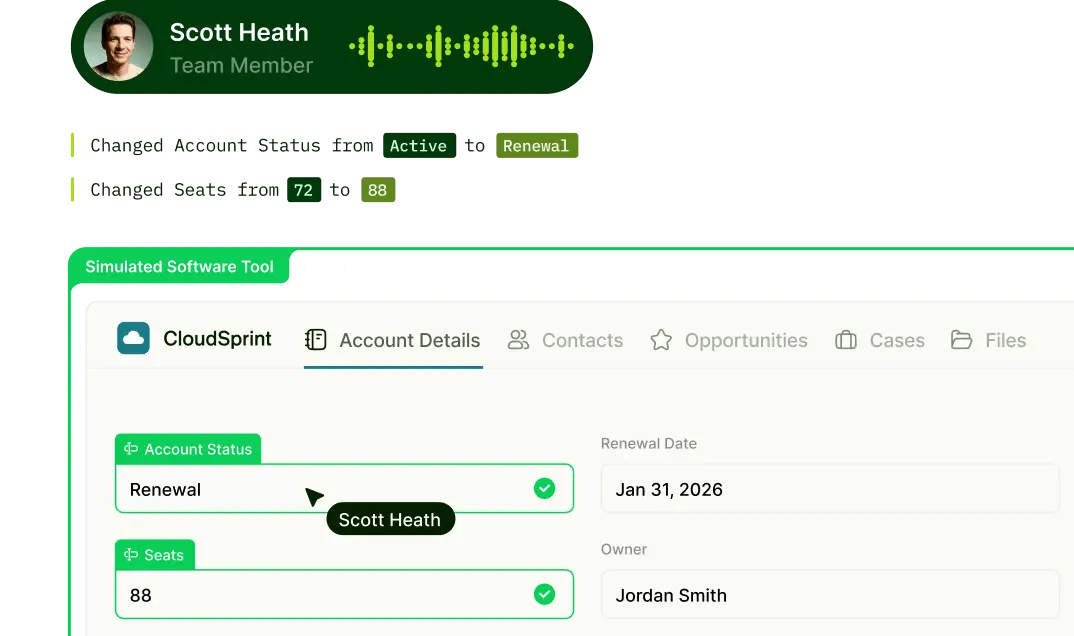
The presenting issue captures this. It allows the person building the simulation to define what the call is about and what the persona has already been through before the call started.
Details that shape the whole conversation
Beyond the presenting issue, ReflexAI allows users to specify the granular details that come up naturally throughout a conversation.
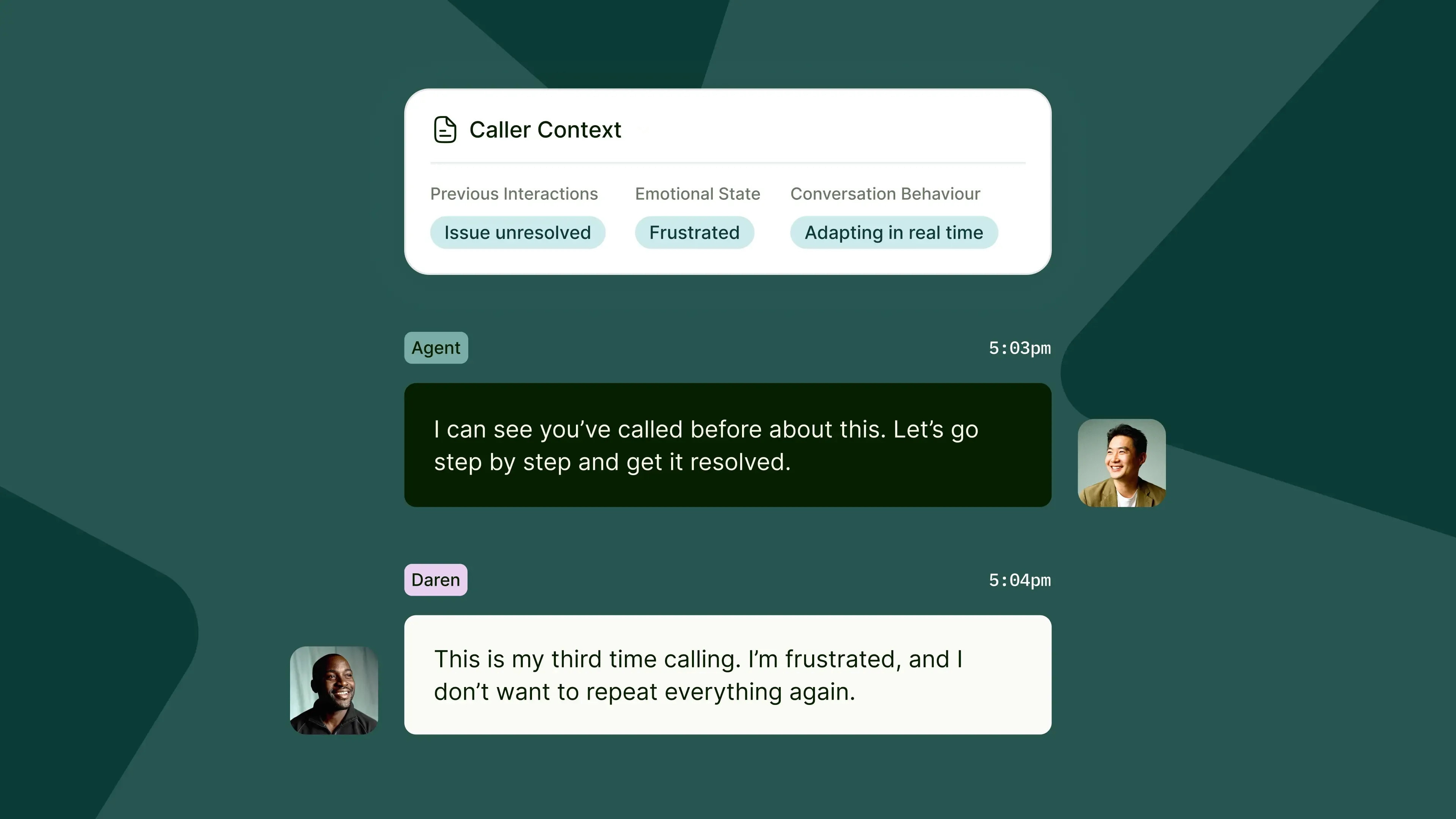
Some of these are directly tied to the issue: what the persona has already tried, what solutions they are open to, and what they will refuse. A customer who has already called three times about the same problem responds to "let me look into that" very differently than one calling for the first time. The simulation captures this because the person building it defined it.
Other details are secondary to the issue but shape how the conversation feels. Not every persona reacts the same way to the same trainee behavior. One persona might grow more frustrated when an agent offers alternatives, hearing it as deflection. Others might welcome the same suggestions, hearing them as genuine effort. ReflexAI gives users the ability to configure these tendencies, creating training environments that match the situations their agents encounter most frequently.
The result is a simulation where the trainee cannot fall back on a single script. The persona's responses shift based on what the trainee actually says, and the details are specific enough that the trainee has to listen, adapt, and exercise judgment: the same skills they will need on a real call.
Emotions that hold up
Getting the persona's background right solves part of the realism problem but emotional behavior is also important
One piece of feedback we heard consistently from customers was that they wanted simulations where the persona didn't fold the moment a trainee said something nice. In real calls, customers dealing with denied claims, service failures, or confusing bills don't reset their emotions because an agent validates their feelings once. A caller may need a clear explanation, repeated acknowledgment, and a concrete next step before they are willing to move forward. Some need more than that, and the work of sustaining empathy through that resistance is exactly the skill that separates a prepared agent from an unprepared one.
We developed the adaptive persona feature to address this. It controls the emotional trajectory of a simulation based on what the trainee says and does throughout the conversation. The simulation doesn't follow a fixed emotional arc. The simulation responds to the trainee's actual behavior: empathetic responses can gradually shift the persona's emotional state, but only if they are sustained, specific, and paired with real progress on the issue. A single kind phrase will not do it.
This means trainees experience the full emotional work of a difficult call rather than a compressed version of one. They learn when to stay the course, when to shift their approach, and what it actually takes to bring a frustrated person to a productive place.
The same skills in every industry
The emotional dynamics that make a crisis call difficult are not unique to crisis services. They show up in every industry where the person on the other end of the line is frustrated, confused, or afraid.
An insurance agent handling a denied claim has to keep acknowledging the policyholder’s frustration while explaining a decision they can’t change. A healthcare representative explaining a billing error to a confused member needs the same ability to read emotional cues and adjust their approach. A financial services agent walking a customer through a fraud dispute needs the same composure when the caller's frustration escalates rather than resolves.
The presenting issue changes. The granular details change. The emotional parameters change. The underlying principle does not: real people carry real histories into real conversations, and they need more than a scripted response to feel heard.
We built ReflexAI’s simulations on this principle, so the same platform that trains crisis counselors also trains insurance agents, healthcare representatives, and financial services teams. We built the engine on how people behave in hard conversations and put the industry specifics in the configuration. That’s why the same platform that trains crisis counselors also trains leasing and enrollment teams, insurance agents, healthcare representatives, and financial services teams.The configuration changes. The engine does not.
Built for the calls that test your team
A training director at an insurance contact center and a program manager at a crisis line face different operational realities. Their agents handle different types of calls, follow different protocols, and serve different populations.
But both of them need simulations that don't let trainees off easy. Both need personas with specific histories that force trainees to listen and adapt. Both need emotional dynamics that require sustained effort, not a single textbook response.
ReflexAI's simulation platform gives both of them the same set of tools to build training that reflects what their agents will actually encounter. The presenting issue, the granular details, and the Adaptive Persona feature work the same way whether the call is about a denied claim or a person in crisis. The person building the simulation defines what matters for their context, and the platform delivers a conversation realistic enough to teach the skills that matter most.
Training that reflects the real difficulty of real conversations produces agents who are ready for the calls where preparation counts.