











Clinical education is where students translate classroom knowledge into real-life application and is the backbone of every health professions program.
Whether it’s social work trainees navigating a crisis intervention, physical therapy students managing post-surgical rehab, or to-be pharmacists counseling on a complex medication regimen, there’s no replacement for putting knowledge into action under real-life conditions.
But the challenge is that those real conditions are getting harder to provide.
Clinical education programs are resource-intensive by nature. Rotations can take anywhere from weeks to years to complete. Qualified faculty have to be available to supervise students. And placement sites, such as hospitals, clinics, and community health centers, are stretched thin.
The result is a widening gap between the number of students who need clinical training and the capacity that exists to deliver it. Something has to give – and for a growing number of programs, AI-powered simulation is emerging as part of the answer.
Why clinical education programs are at an inflection point
While the strain on clinical education isn’t new, the numbers show that we’ve reached a critical threshold, stemming from two key bottlenecks:
1. Faculty shortages
According to the American Association of Colleges of Nursing (AACN), faculty shortages at nursing schools across the country are limiting student capacity at a time when the need for professional registered nurses grows.
In 2023, more than 65,000 qualified applicants were turned away from nursing programs due to limited faculty and resources. The problem is structural and compounding. Budget constraints, an aging faculty population, and competition from higher-paying clinical positions have made it increasingly difficult to staff programs adequately.
2. Clinical placement sites
A 2024 survey found that 78% of nursing programs reported that clinical sites are limiting the number of students per placement in 2024 – up significantly from 39% in 2022. Programs compete for limited hospital floor time, and students in rural or underserved regions face the steepest barriers.
The pattern holds across disciplines, and it's especially acute in mental health and social work, where the demand for providers is significantly outpacing the pipeline. More than 122 million Americans currently live in Mental Health Professional Shortage Areas. And, as of 2024, 43 out of 44 states reported a behavioral health workforce shortage.
In response, many programs have tried to lean more into simulations – such as standardized patients, high-fidelity manikins, and structured roleplays – as a way to relieve some of this burden.
While these traditional simulations are valuable, they share many of the same scaling constraints as in-person clinical time, often requiring trained facilitators, dedicated spaces, and scheduled sessions. For programs already stretched thin, expanding simulation capacity through traditional means isn't realistic.
That's where AI simulation enters the picture. Not as a workaround, but as a fundamentally different kind of solution.
AI simulations as a new model for clinical education – what the research says
A growing body of research suggests that AI-powered simulations can meaningfully improve clinical education outcomes. Not by replacing in-person experiences, but by enhancing and extending it in ways that traditional models can’t.
- A 2025 randomized study of 94 novice counselors tested an LLM-powered training system called CARE, which paired AI-simulated patients with structured, skill-specific feedback. The group that trained with both the AI patient and feedback showed statistically significant improvements in counseling skills, including more reflective listening, better questioning, and a client-centered approach.
- A 2025 systematic review found that AI-driven simulations were associated with improvements across communication, clinical reasoning, knowledge acquisition, self-efficacy, and empathy – with high levels of learner satisfaction across studies.
- Another study from 2024 used LLMs programmed with clinical cognitive models to simulate therapy patients for mental health trainees practicing CBT skills. Trainees who practiced with the system reported improvements in both perceived skill acquisition and confidence beyond what they experienced from textbooks, videos, or role-play with peers.
What makes this research compelling for program administrators isn't just that AI simulation works – it's that it works at scale, without the scheduling constraints, facility requirements, and supervision hours that make traditional simulation hard to expand.
How AI simulations can bridge the gap in clinical education
For clinical education programs navigating constraints, AI-powered simulations can bridge the gap in a few specific ways:
- Arriving at clinical placements better prepared. When students have already practice key scenarios through immersive AI simulations, on-site time can focus on high-priority learning rather than foundational skills building. This makes every placement hour more efficient and may reduce the total hours needed to reach competency.
- Standardizing baseline competency across a cohort. Students in the same program often arrive at placements with meaningfully different levels of preparation depending on scheduling, supervision, and access to practice. AI simulation establishes a consistent baseline before students enter clinical settings – reducing variability and improving the quality of the in-person experience.
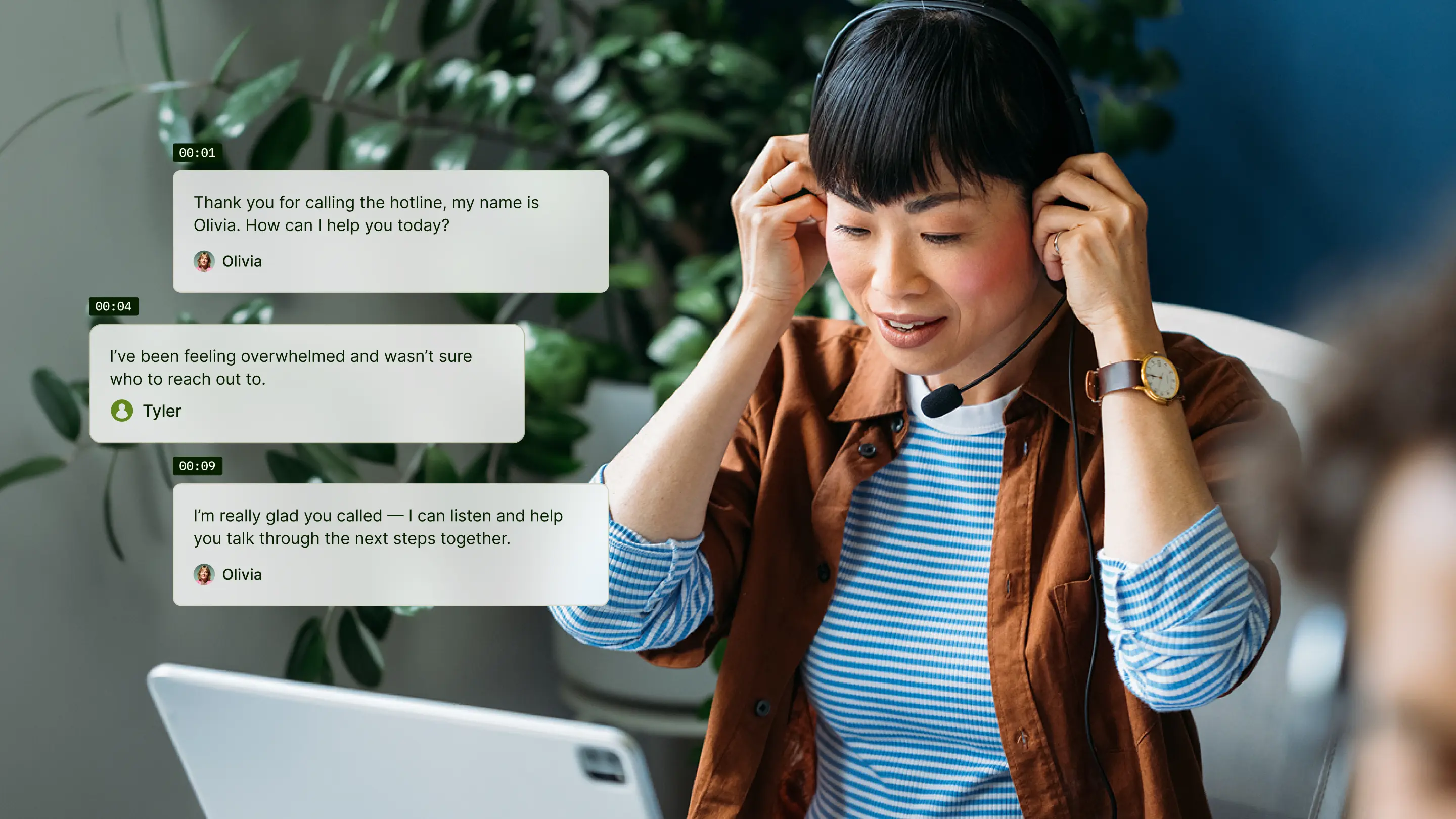
- Scaling practice for high-stakes communication. Mental health counseling, crisis intervention, and sensitive patient communication are areas where repetitive, low-stakes practice is especially critical. AI-powered roleplay creates a safe environment to build and refine skills at scale, without the constraints of scheduling or supervision.
- Extending access to rural/underserved programs. Students enrolled in programs without robust local placement infrastructure face disproportionate barriers to access. AI simulation can help level the playing field, delivering high-quality practice that doesn't depend on geography.
Learn how ReflexAI can enhance your clinical education program
It’s clear that demand for trained healthcare and mental health professionals is outpacing the infrastructure that exists to train them. But by adopting AI simulations into their curriculum, these clinical education programs can extend and scale the reach of training.
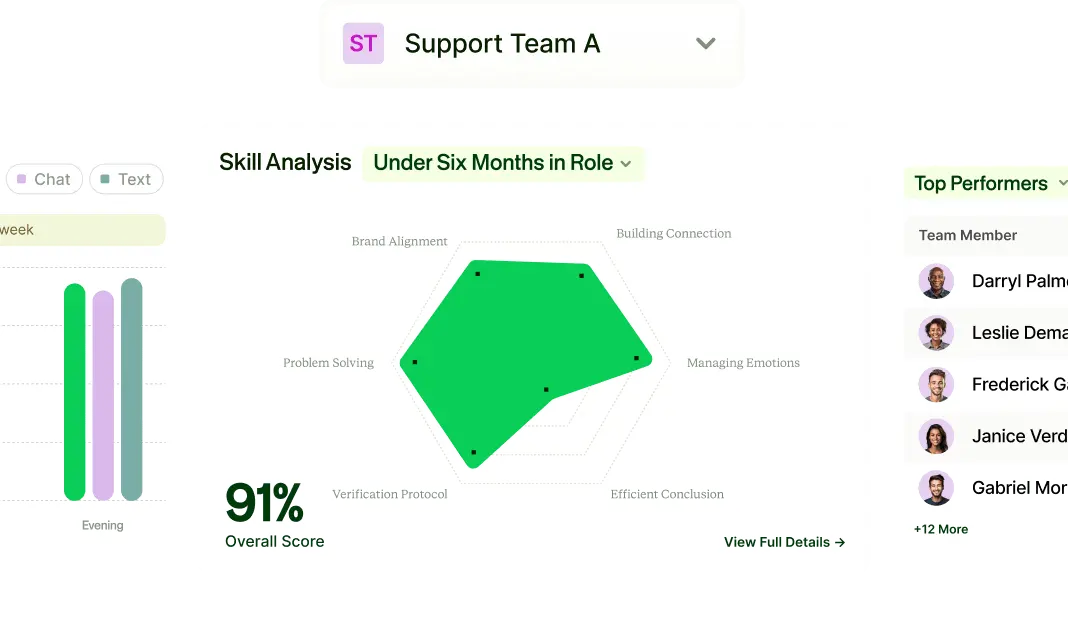
With ReflexAI, your clinical education program can deploy realistic, AI-driven roleplay scenarios at scale – customized to program-specific learning objectives, delivered asynchronously, and paired with the performance data that your faculty need to coach effectively. To learn more, request a demo.